Korero o Takiharuru | Our Story
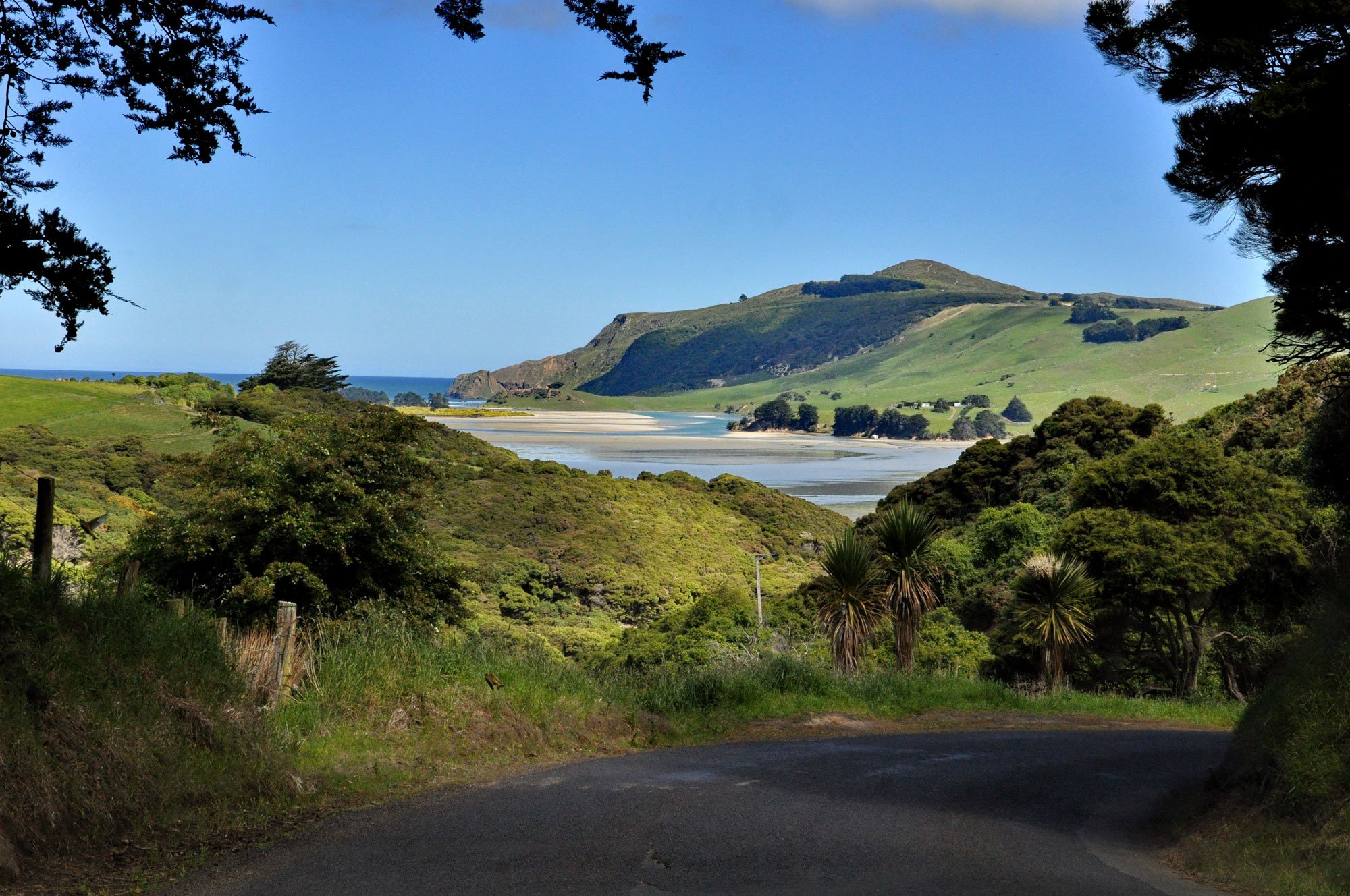
The Pukekura Trust (A Charitable Trust) is working towards revitalizing the Takiharuru/Pilots Beach nature reserve.
Our reserve now has the largest penguin colony on the Otago Peninsula. Our aim is to continue to look after these birds and other wildlife, look after the land and look after people.
In the early 1990s we started installing nest boxes for the penguins to breed in. A revegetation plan was developed is well underway with the planting of over 5000 native plants planted in the last few years. The project will eventually provide a living insight into the flora that was once abundant over the entire Otago Peninsula. In addition there is ongoing predator control in the area, benefiting the little penguins and other wildlife. This reserve (Takiharuru/Pilots Beach) has strong cultural connections with people too. Being a Charitable Trust, looking after people is also very important to us. We offer free tours to first responders, those are people that we believe do extraordinary work looking after others and we want to acknowledge that by the offer of a free tour Blue Penguins Pukekura-Free Tour for First Responders — Blue Penguins Pukekura
All our work on site to protect the land and the penguins is solely funded by revenue generated by our tours.

Hītori | History
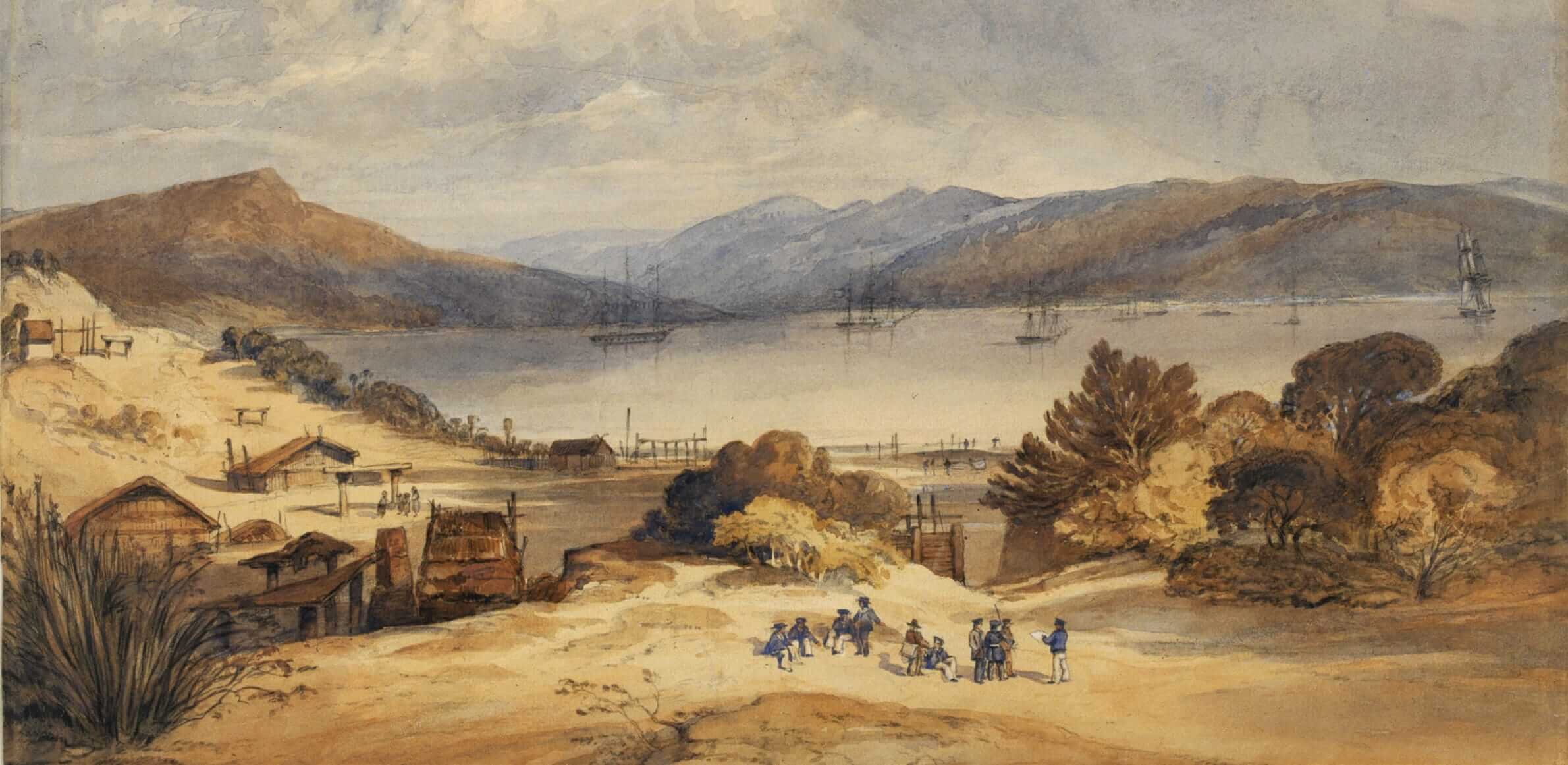
For Manawhenua (people of the land), Takiharuru (Pilots Beach) is a sacred and special place (wāhi tapu, wāhi tāoka). Chief Karetai, local paramount chief and signatory to the Treaty of Waitangi, lived out his final years on the headland overlooking the beach. The descendants of Karetai maintain a strong whakapapa link to this whenua (land).

-
The inland boundaries have been defined
-
The sea coast has been defined
-
Tane is responsible for the interior
-
Takaroa is responsible for the sea
-
The inland areas are important
-
The coastal areas are important
-
Tane’s influence is very strong
-
Takaroa’s influence is very strong
-
Tane stands for the land
-
Takaroa stands for the sea
Manawhenua have special relationships with all species considered to be Tāoka (Treasured), with particular interests towards albatross, whales, sharks and of course penguins.
In the spirit of Rangatirataka (cultural leadership) this area is shared with manuhiri (visitors) as a pathway towards regenerating the land, protecting the local wildlife and providing a sustainable environment for locals, whānau (family) and mokopuna (generations to come).
To tatou kapa | Our team
Our kaitiaki guardianship of the Blue Penguins Pukekura is a joint venture between the Otago Peninsula Trust and The Korako Karetai Trust.
The Trusts work together to ensure protection, conservation and enhancement of the area known as Takiharuru Pilots Beach for the benefit of its flora and fauna, and in particular the kororā (Little Blue Penguin) colony established there. Our key mission is to enhance the cultural and ecological visitor experience of the area, our tours reflect this with fascinating insights into the history, people, flora and fauna of the site.
The Pukekura Trust team manages visitor hospitality and operations for Blue Penguins Pukekura tours. The team are always pleased to host visitors, media, travel agents and guests who are interested in experiencing, learning and sharing the kaitiaki guardianship messages around the world.